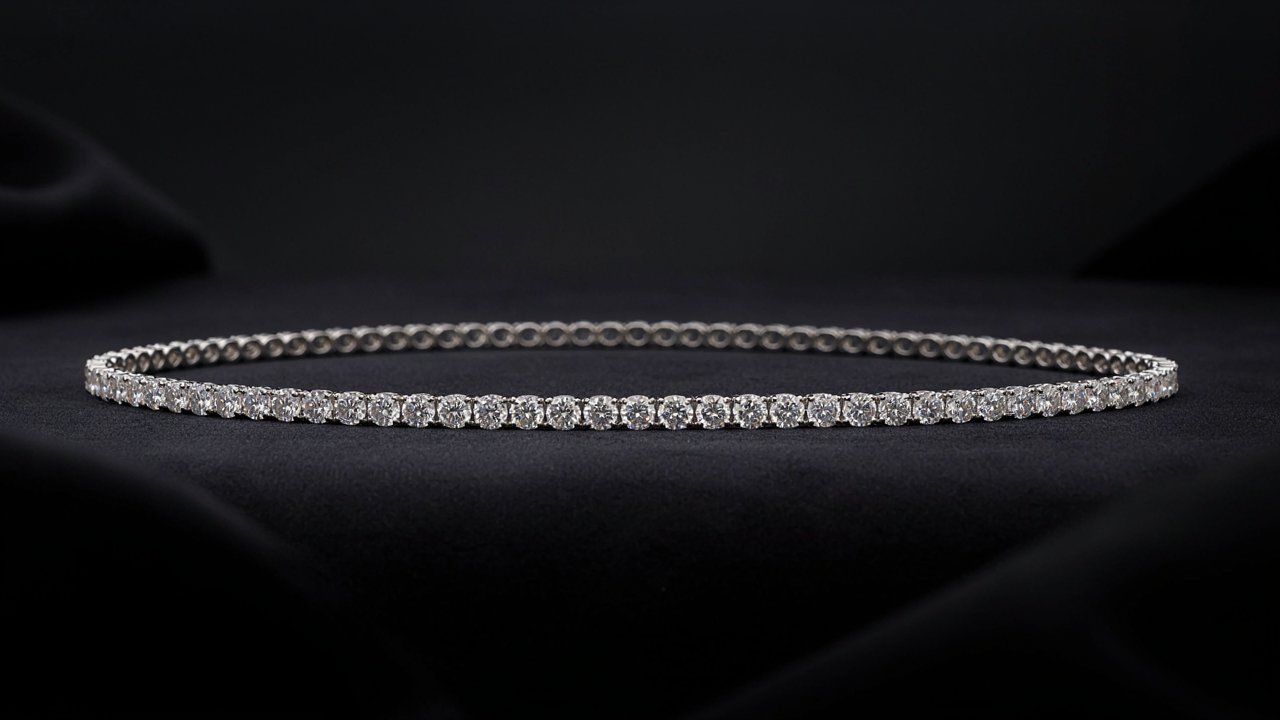
Diamond Tennis Bracelet Buying Guide: What to Consider Before You Buy
A diamond tennis bracelet is a classic piece of jewellery that offers everyday versatility and understated elegance. If you are looking for something dainty to wear every day or a glittery accessory for a special occasion, choosing the right bracelet is more than just admiring its looks. Budget, diamond quality, bracelet size, setting style, and clasp security are all important factors.
Knowing these details can help you make a well-informed purchase and find a design that fits your style. In this buying guide to tennis bracelets, we will cover the important factors to consider before you buy so you can select a bracelet that feels comfortable to wear, is beautiful to look at, and offers lasting value.
Quick Summary
- Check diamond quality: Consider cut, colour, clarity and carat weight when comparing bracelets.
- Choose the right size: Measure your wrist and allow enough room for comfortable movement.
- Compare settings: Prong, bezel and channel settings offer different appearances and levels of protection.
- Prioritise security: Look for a reliable clasp and additional safety features.
- Set a realistic budget: Compare diamond quality, metal type, craftsmanship, and the overall diamond tennis bracelet price.
Understand Diamond Quality Before Buying
The main attraction of a tennis bracelet is diamonds, so it’s worth knowing what factors influence their appearance and value.
Cut, Colour, Clarity and Carat
The four Cs provide a useful starting point when comparing diamond bracelets.
- Cut: A well-cut diamond reflects light effectively, creating the sparkle associated with tennis bracelets.
- Colour: Diamonds with less visible colour are often preferred, although warmer tones can suit certain jewellery styles.
- Clarity: Clarity describes internal inclusions and external blemishes. Minor imperfections may be difficult to notice without magnification.
- Carat: This measures diamond weight, not physical size alone. Total carat weight represents the combined weight of all diamonds in the bracelet.
Compare these features with the appearance of the bracelet as a whole. Higher total carat weight doesn't automatically translate to a more attractive design.
Choose the Right Diamond Bracelet Size
A comfortable fit is important, especially if you intend to wear your bracelet regularly. The diamond bracelet should be sized so that it moves with the wrist, not too tight or loose.
Using a flexible tape measure, measure around your wrist. If you don't have one, wrap a strip of paper around your wrist, mark the overlap, and measure it with a ruler.
As a general rule, depending on the fit you want and the bracelet’s design, a bracelet may require about 1-2 cm extra length beyond your wrist measurement. Please check the manufacturer's sizing recommendations before ordering.
Consider these factors:
- Snug fit: Keeps the bracelet closer to your wrist, reducing excessive movement.
- Relaxed fit: Allows more movement and creates a slightly looser appearance.
- Daily wear: A comfortable fit helps prevent unnecessary pulling or catching.
- Layering: Allow enough space if you plan to wear the bracelet alongside a watch or other jewellery.
Compare Different Tennis Bracelet Settings
The setting affects the way the diamond looks, the amount of light that gets to the diamond, and the security with which it is held. If you are looking at tennis bracelet settings, you might want to think about the look and the amount of wear it can take.
Prong Setting
Small metal prongs secure each diamond in place. This design provides plenty of light to the stones and is a bright and classic look. But prongs should be checked regularly for looseness or damage.
Bezel Setting
Each diamond is mounted in a metal rim, giving a more modern look and added protection to the edges of the stone. This style can be suitable for people who like a secure, tidy design.
Channel Setting
Diamonds set in parallel strips of metal give a smooth finish with less edge exposed. This is an attractive option for those who like a clean, understated look.
When comparing settings, consider the flexibility of the bracelet, the quality of the metalwork, and how well each diamond is held in place.
Check Bracelet Clasp Types and Safety Features
A beautiful bracelet is only practical if it stays securely on your wrist. Different bracelet clasp types offer varying levels of convenience and security.
Common options include:
- Box clasp: A fitted mechanism that slides into a box-shaped housing, often with a safety catch.
- Lobster clasp: A spring-loaded fastening commonly used on jewellery chains, although its suitability depends on the bracelet's construction.
- Push-button clasp: Opens using a button mechanism and may include additional safety locks.
- Double safety clasp: Adds a secondary fastening to help reduce the risk of accidental opening.
For a diamond tennis bracelet you want a clasp that closes securely and is easy enough to operate without feeling loose. Extra safety catches can provide extra reassurance, especially for bracelets that get a lot of wear.
Understand What Influences Diamond Tennis Bracelet Price
The diamond tennis bracelet price can vary considerably depending on the materials, diamond specifications, and quality of craftsmanship.
Before comparing prices, establish what each bracelet offers rather than relying on appearance alone.
Key pricing factors include:
- Total diamond carat weight: Bracelets with larger combined diamond weights generally cost more, although other factors also matter.
- Diamond quality: Cut, colour, clarity, and consistency affect the overall appearance and value.
- Metal choice: Platinum and different gold options can influence the final price.
- Craftsmanship: Precise settings, smooth articulation, and secure clasps contribute to quality.
- Certification and documentation: Available grading reports and product documentation can help clarify diamond specifications.
Request clear information about the diamonds, the purity of the metal, the total carat weight, and warranty or aftercare arrangements. Looking at these details allows you to see if a bracelet fits your budget.
How to Choose a Diamond Tennis Bracelet for Women?
A diamond tennis bracelet is a fantastic way to add sparkle to anything from your everyday style to formal occasion wear for women. The best choice depends on personal preferences, lifestyle, and how often the piece will be worn.
For a more subtle everyday look, try a slim bracelet with smaller diamonds and a reliable clasp. If you want something more obvious, a design with bigger stones or a higher total carat weight might be better.
Think about the following before deciding:
- Personal style: Choose between minimalist, classic, and more eye-catching designs.
- Metal colour: White gold offers a cool-toned finish, while yellow and rose gold create warmer looks.
- Wardrobe: Consider whether the bracelet will complement your existing jewellery.
- Lifestyle: A lower-profile setting may be more practical for frequent wear, depending on your activities.
- Maintenance: Ask about cleaning recommendations and periodic setting inspections.
A versatile design can be worn alone for a refined finish or combined with other bracelets for a layered appearance.
Practical Comparison Table: Which Tennis Bracelet Should You Choose?
Bracelet feature | Best suited for | What to check |
Smaller diamonds | Subtle, everyday styling | Consistent sparkle and secure settings |
Larger diamonds | A more prominent appearance | Total carat weight and overall budget |
Prong setting | Maximum diamond visibility | Prong condition and stone security |
Bezel setting | A streamlined appearance | Metal coverage and setting quality |
Channel setting | A smooth, structured finish | Alignment and even spacing |
Double safety clasp | Added fastening security | Reliable closure and ease of use |
White gold | A cool-toned finish | Metal purity and care requirements |
Yellow or rose gold | A warmer finish | Colour preference and metal quality |
Use this table as a starting point rather than a strict rule. The right combination depends on your budget, preferred appearance and intended use.
Inspect the Bracelet and Consider Aftercare
Please look at the product specifications & ask questions that may influence your buying decision before you make your purchase.
Make sure the diamonds are evenly spaced, the links are smooth, and the bracelet sits comfortably on your wrist. If you can, have a look at the clasp in person or ask for clear product photographs of the fastening mechanism.
After you purchase your bracelet, store it separately and away from harsh chemicals to avoid scratches as much as possible. Clean it as per the jeweller’s instructions and have it regularly checked for any loose stones or worn clasps by a professional.
Follow these easy steps to help keep your bracelet looking its best and reduce the risk of damage over time.
Conclusion
Choosing a diamond tennis bracelet is a balancing act between the quality of diamonds, comfortable sizing, attractive settings, secure fastening, and budget. Knowing the different kinds of bracelet clasps and examining the details that affect price, by comparing the four Cs, you can make a more confident and informed decision.
Take time to compare designs, go through their specifications, and think about how the bracelet will fit into your everyday wardrobe. Browse through a variety of tennis bracelet styles to discover one that complements your style and provides the blend of beauty, comfort and practicality that you desire.
Frequently Asked Questions
Q. What should I look for when buying a diamond tennis bracelet?
Consider diamond cut, colour, clarity and total carat weight, along with the metal, setting, bracelet length and clasp security. Clear product specifications and reliable aftercare support are also worth checking.
Q. How do I know what diamond bracelet size to buy?
Measure your wrist and add an allowance based on your preferred fit. Around 1–2 cm is a useful starting point, but the ideal length depends on the bracelet design and how loosely you want it to sit.
Q. Which tennis bracelet setting is best for everyday wear?
Bezel and channel settings offer relatively smooth profiles, while prong settings allow more diamond visibility. The best option depends on the quality of the construction, your lifestyle, and how well the bracelet is maintained.
